Crossmodal Effects of Multisensory Packaging Design on Quality Perception, Emotional Experience, and Willingness to Pay for Premium Tea
Keywords:
Multisensory packaging; interdisciplinary design innovation; unboxing interaction; emotional experience; willingness to payAbstract
Abstract
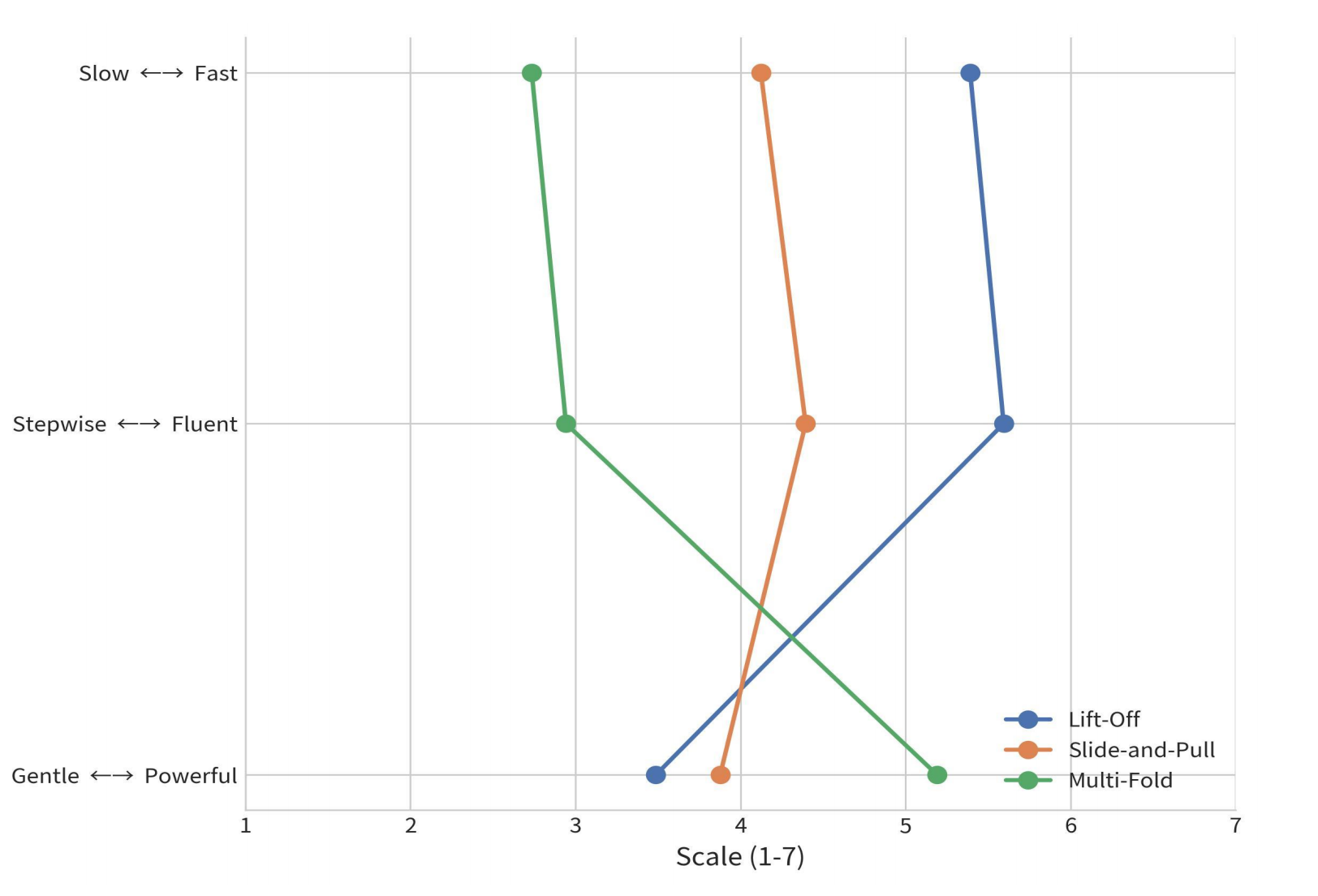
Under the context of consumption upgrading and the experience economy, product packaging has evolved from a mere physical protective function to a core multisensory interactive interface that shapes consumer expectations and brand value. However, existing research on tea beverage packaging predominantly focuses on single visual elements (such as color or pattern) or material sustainability, lacking a systematic investigation from the interdisciplinary perspective of design, technology, and commerce on how visual, tactile, olfactory, and dynamic unboxing interactions jointly influence consumers' tea tasting experience and economic decision-making. Based on multisensory integration theory and predictive coding models, this study employed a mixed experimental design to systematically examine the combined effects of packaging color (celadon green, ink black), surface texture (smooth matte, rough Xuan paper, embossed gold foil), ambient tea aroma (present vs. absent), and unboxing interaction modes (lid-and-tray box, drawer-style box, multi-layer folding box) on consumer perception. Ninety participants (88 valid datasets) were recruited to evaluate 18 different multisensory combinations of premium black tea packaging under controlled environmental conditions. Measures included perceived attractiveness, flavor expectation, emotional responses (PrEmo scale), and willingness to pay (WTP). Data were analyzed using mixed-design analysis of variance (ANOVA) and cumulative link mixed models (CLMMs). The findings indicate that complex unboxing interactions (multi-layer folding) significantly enhanced perceived attractiveness and luxury impression of the packaging; interactions between surface texture and aroma notably influenced flavor intensity expectation and emotional valence. Moderate ambient tea aroma increased perceived product value and purchase intention, whereas high-intensity stimulation induced hedonic overload, reducing overall liking. Additionally, the combination of dark color (ink black) and rough texture yielded the highest product-packaging congruence ratings under odorless conditions. This study reveals the synergistic mechanisms of multisensory cues in tea packaging design, providing scientific design intervention strategies for the modernization and commercialization of traditional tea culture, and expanding theoretical boundaries in sensory marketing and interdisciplinary design innovation.
Keywords: Multisensory packaging; interdisciplinary design innovation; unboxing interaction; emotional experience; willingness to pay